
 العربية

Dr Khadeem Ali Al Amrani
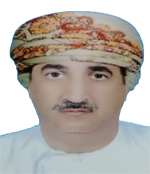


Biography
Khadeem Al. Amrani received his Ph.D. degree with a major in the field of “public management,” titled “Designing an Effective Training Process,” from the University of Utara (Malaysia), and his MBA degree from the University of Hull (U.K.). His bachelor’s degree is in civil engineering from the University of Wales (UK). BTEC National Diploma (Engineering), from Luton College of Higher Education (UK). He is a pro-active self-starter, well qualified and results oriented Business Development & Human Resources Development Professional can operate both individually and as part of a team outcome of over (28) Years of experiences in Diwan of Royal Court held a Higher positions of management & development responsibilities and duties in the field of Project Management, Human Resources Management & Training , responsible for human resources & development , accountable for training, planning, management, development, implementation of all management & development services and tasks. He was a part-time lecturer at Sohar University for two years; his tasks included lecturing on operations management, operations research, quality management, and public relations classes at the university. Now he is working as a full time lecturer at Faculty of Business.
Qualification
- PhD in public management from UUM, Malaysia.
- MBA from Hull university, UK.
- Bachelor’s in civil engineering From University of Wales, UK.
Teaching Interest
- Management
Research Interest
- Management
Publications
- Bello, I., Ahmad, M., Nadzir, M. M., Al-amrani, K. A. D., & Abdullahi, U. (2025). Investigating Knowledge Transfer Practices: Insights from Software Development Project Managers. Electronic Journal of Knowledge Management, 23(2), 41-60.
- Abdullahi, U., Dhahi, A. A. K. A., Martadha, A. M., & Senasi, V. (2025). Organizational learning and sustainability in Nigerian public sector organizations: Is resilience a missing link?. Multidisciplinary Science Journal, 7(1), 2025001-2025001.
- Abdullahi, U., Dhahi, A. A. K. A., Martadha, A. M., & Senasi, V. (2025). Thriving, not just surviving in changing times: How agility intertwines with organizational learning to foster sustainability. Multidisciplinary Science Journal, 7(1), 2025002-2025002.
- Al-Amrani, K. A. D., & Abdullahi, U. (2024). Bridging Organizational Learning and Sustainability: The Underlying Mechanism of Resilience in Public Sector Organizations. Zhongguo Kuangye Daxue Xuebao, 29(4), 182-196.
- Aktar, M. A., Dhahi, A. A. K. A., & Abdullahi, U. (2024). Advancing Sustainable Development through the lens of Energy Efficiency: A Systematic Literature Review. International Journal of Energy Economics and Policy, 14(5), 168-180.
- Abdullahi, U., Al-Amrani, K. A. D., Mohamed, A. M., Khalid, M. S., & Yahaya, H. D. (2024). Green Human Resource Management and Environmental Performance: The Mediating Role of Employee Commitment and the Contingent Effect of Organizational Culture. Journal of Management World, 2024(4), 484-497.
- Abdullahi, U., Mohamed, A. M., Senasi, V., & Dhahi, A. A. K. A. (2023). Assessing the integration of organizational resilience and sustainability: Insights from a systematic literature review. In E3S Web of Conferences (Vol. 440, p. 01011). EDP Sciences.
- AlAmrani, K. A. (2020). Applicability of the Motivation Theories of Maslow, Herzberg and Vroom to Contemporary Business Organizations in Oman. International Journal of Economics, Business and Management Studies, 7(2), 202-213.