
 العربية

Dr Mahmoud Ibrahim Shoulkamy
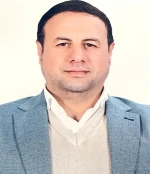


Biography
Dr. Mahmoud Ibrahim Shoulkamy is a molecular and cell biologist specializing in genome stability, DNA repair, and cancer biology. He is currently Assistant Professor at Sohar University and Professor at Minia University, where he has held administrative positions, including Head of the Zoology Department, Faculty of Science. He earned his Ph.D. in Molecular and Cell Biology (Cancer Biology) from Hiroshima University, Japan, supported by a competitive scholarship awarded by the Japan Society for the Promotion of Science (JSPS). Dr. Shoulkamy has over 10 years of international research and teaching experience, including Assistant Professor positions at Hiroshima University (School of Science) and Kanazawa University (Cancer Research & WPI Nano-Life Science Institutes, Japan), and as Associate Research Scientist at the School of Medicine, Shenzhen University, China. His research focuses on DNA–protein cross-links, complex DNA lesions, and tumor metabolic adaptations, aiming to identify therapeutic targets to improve cancer treatment. He has published extensively, supervises graduate students, actively fosters international collaborations, serves as a reviewer for several scientific journals and funding authorities, and has received competitive research grants and funding support in molecular and cancer biology.
Qualification
- Ph.D. In Cancer Biology, University of Hiroshima, Japan, 2013.
- MSc. In Zoology (Cytogenetics), University of El-Minia, Egypt, 2007.
- Bachelor in Biological Sciences (Zoology), University of El-Minia, Egypt, 2002.
Teaching Interest
Basic medical and animal sciences (Physiology, Histology, Embryology, Parasitology, immunology, Molecular and Cell Biology, Genetics, Cytology, General Biology, Anatomy of Vertebrates, Comparative Anatomy, Genetic Engineering).
Research Interest
My research focuses on genome stability and DNA repair in cancer, with an emphasis on DNA–protein cross-links and complex DNA lesions induced by chemotherapy, radiation, and endogenous or exogenous agents. I aim to elucidate how defective repair pathways drive malignant transformation and therapy resistance, and to identify key factors that enhance cancer cell sensitivity. Concurrently, I study tumor metabolism and organelle function, focusing on how changes in cellular organelles support tumor progression and therapy resistance. By integrating mechanistic molecular research with translational approaches, I seek to uncover actionable targets that improve therapeutic efficacy and advance sustainable oncology strategies.
Publications
- Mohammed, T. O., Shoulkamy, M. I., & Chafai, D. E. (2026). Emerging S100A11 roles: Regulation of focal adhesion dynamics and mechanosensing. Cell structure and function, 51(1), 11–21.
- Shoulkamy, M. I., Mohammed, T. O., Ide, H., & Nakano, T. (2025). DNA-protein cross-links emerge as major contributors to chemotherapeutic cytotoxicity at physiological equitoxic doses. Scientific reports, 15(1), 23330.
- Jing, Y., Kobayashi, M., Shoulkamy, M. I., Zhou, M., Thi Vu, H., Arakawa, H., Sabit, H., Iwabuchi, S., Quang Vu, C., Kasahara, A., Ueno, M., Tadokoro, Y., Kurayoshi, K., Chen, X., Yan, Y., Arai, S., Hashimoto, S., Soga, T., Todo, T., Nakada, M., … Hirao, A. (2025). Lysine-arginine imbalance overcomes therapeutic tolerance governed by the transcription factor E3-lysosome axis in glioblastoma. Nature communications, 16(1), 2876.
- Nakano, T., Akamatsu, K., Kohzaki, M., Tsuda, M., Hirayama, R., Sassa, A., Yasui, M., Shoulkamy, M. I., Hiromoto, T., Tamada, T., Ide, H., & Shikazono, N. (2025). Deciphering repair pathways of clustered DNA damage in human TK6 cells: insights from atomic force microscopy direct visualization. Nucleic acids research, 53(1), gkae1077.
- Shoulkamy, M.I, Xie, M. Z., Jiao, C.-L., & Mohammed, T. O. (2024). DNA-protein crosslinks are key to platinum-based chemotherapeutic cytotoxicity. Chemical Biology Letters, 11(2),663.
- Kurayoshi, K., Takase, Y., Ueno, M., Ohta, K., Fuse, K., Ikeda, S., Watanabe, T., Nishida, Y., Horike, S. I., Hosomichi, K., Ishikawa, Y., Tadokoro, Y., Kobayashi, M., Kasahara, A., Jing, Y., Shoulkamy, M. I., Meguro-Horike, M., Kojima, K., Kiyoi, H., Sugiyama, H., … Hirao, A. (2023). Targeting cis-regulatory elements of FOXO family is a novel therapeutic strategy for induction of leukemia cell differentiation. Cell death & disease, 14(9), 642.
- Pham, L. T., Peng, H., Ueno, M., Kohno, S., Kasada, A., Hosomichi, K., Sato, T., Kurayoshi, K., Kobayashi, M., Tadokoro, Y., Kasahara, A., Shoulkamy, M. I., Xiao, B., Worley, P. F., Takahashi, C., Tajima, A., & Hirao, A. (2022). RHEB is a potential therapeutic target in T cell acute lymphoblastic leukemia. Biochemical and biophysical research communications, 621, 74–79.
- Nakano, T., Shoulkamy, M. I., Tsuda, M., Sasanuma, H., Hirota, K., Takata, M., Masunaga, S. I., Takeda, S., Ide, H., Bessho, T., & Tano, K. (2020). Participation of TDP1 in the repair of formaldehyde-induced DNA-protein cross-links in chicken DT40 cells. PloS one, 15(6), e0234859.
- Ide, H., Nakano, T., Salem, A. M. H., & Shoulkamy, M. I. (2018). DNA-protein cross-links: formidable challenges to maintaining genome integrity. DNA repair, 71, 190–197.
- Shoulkamy, M. I., Nakano, T., Ohshima, M., Hirayama, R., Uzawa, A., Furusawa, Y., & Ide, H. (2012). Detection of DNA-protein crosslinks (DPCs) by novel direct fluorescence labeling methods: distinct stabilities of aldehyde and radiation-induced DPCs. Nucleic acids research, 40(18), e143.